suspended ducting is one of the most effective ways to distribute air in a building. This system involves hanging ducts from the ceiling or roof structure, keeping them out of the way and saving valuable floor space. There are several advantages to using suspended ducting in HVAC systems.
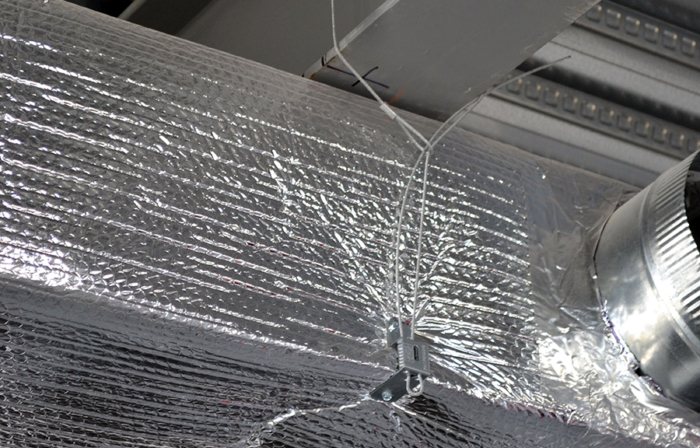
One of the main benefits of suspended ducting is improved air quality. When ducts are suspended from the ceiling, they are less likely to become contaminated with dust, dirt, and other particles that can accumulate on the floor. This helps to keep the air inside the ducts cleaner and prevents the spread of allergens and pollutants throughout the building.
Another advantage of suspended ducting is that it allows for more effective airflow. By hanging the ducts from the ceiling, the air can flow freely without obstructions. This helps to distribute air evenly throughout the building, ensuring that each room receives the appropriate amount of heating or cooling. It also helps to prevent the buildup of condensation within the ducts, which can lead to mold and mildew growth.
suspended ducting is also a more versatile option than traditional duct systems. Because the ducts are not fixed to the floor, they can be easily relocated or adjusted to suit the changing needs of the building. This flexibility makes suspended ducting an ideal choice for buildings that may undergo renovations or expansions in the future.
Additionally, suspended ducting can help to reduce noise levels within a building. By hanging the ducts from the ceiling, vibrations and sounds from the HVAC system are less likely to be transmitted through the building’s structure. This can create a quieter and more comfortable indoor environment for occupants.
In terms of installation, suspended ducting is typically easier and faster to install compared to traditional duct systems. The ducts can be hung from the ceiling using supports or hangers, which eliminates the need for extensive ductwork to be installed on the floor. This can help to reduce labor costs and installation time, making it a cost-effective option for building owners.
Furthermore, suspended ducting can also improve the overall aesthetic of a building. Because the ducts are hidden from view, they do not detract from the visual appeal of the space. This can be particularly beneficial for buildings with high ceilings or open floor plans, where exposed ductwork may be unsightly.
Overall, suspended ducting offers numerous benefits for building owners, including improved air quality, more efficient airflow, versatility, reduced noise levels, easy installation, and enhanced aesthetics. Whether you are constructing a new building or upgrading an existing HVAC system, suspended ducting is worth considering as a reliable and efficient solution for air distribution.
In conclusion, suspended ducting is a superior option for distributing air in a building. Its advantages include improved air quality, efficient airflow, versatility, reduced noise levels, easy installation, and enhanced aesthetics. By choosing suspended ducting, building owners can create a healthier, more comfortable, and visually appealing indoor environment for occupants.