When it comes to HVAC systems, one of the key components that play a crucial role in maintaining indoor air quality and temperature is ducting. Ducting is responsible for transporting heated or cooled air from the HVAC unit to different rooms throughout a building, ensuring that the desired temperature is maintained consistently.
One innovative method of installing ducting that has gained popularity in recent years is suspended ducting. suspended ducting involves hanging the ducts from the ceiling rather than installing them within walls or floors. This method offers numerous benefits that can help improve the overall efficiency and performance of the HVAC system.
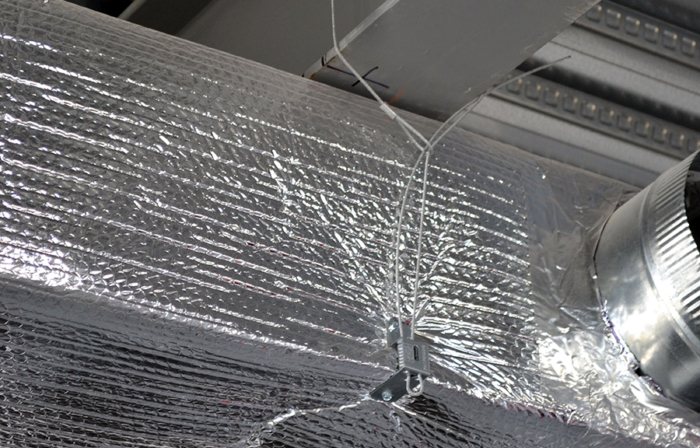
One of the main advantages of suspended ducting is improved airflow. By hanging the ducts from the ceiling, air can flow more freely without any obstructions that may impede the flow. This allows for better distribution of air throughout the building, ensuring that all rooms receive the desired amount of conditioned air. This can help prevent hot or cold spots within the building, resulting in a more comfortable indoor environment for occupants.
Additionally, suspended ducting can also help reduce energy consumption. When air can flow more freely through the ducts, the HVAC system doesn’t have to work as hard to maintain the desired temperature, leading to energy savings. This can result in lower utility bills and reduced environmental impact, making it a more sustainable option for building owners.
Another benefit of suspended ducting is ease of maintenance. Since the ducts are easily accessible when hung from the ceiling, they can be inspected, cleaned, and repaired more easily than ducts that are installed within walls or floors. This can help extend the lifespan of the HVAC system and prevent potential issues that may arise from neglected maintenance.
Furthermore, suspended ducting offers flexibility in terms of design and layout. Because the ducts are not confined to walls or floors, they can be installed in a way that best suits the building’s layout and architectural features. This allows for more creative and efficient designs that can enhance the overall aesthetics of the space.
Moreover, suspended ducting can also help minimize noise levels within the building. When ducts are installed within walls or floors, they can transmit noise from the HVAC system to different rooms, creating potential disturbances for occupants. By hanging the ducts from the ceiling, noise can be reduced as the air travels through the ducts without any obstructions that may amplify sound.
In addition to these benefits, suspended ducting can also help save valuable space within the building. Since the ducts are hung from the ceiling, they don’t take up any floor space that can be used for other purposes. This can be especially advantageous in buildings with limited space, where every square foot matters.
Overall, suspended ducting is a practical and efficient method of installing HVAC ducts that offers numerous benefits for building owners, occupants, and the environment. From improved airflow and energy savings to ease of maintenance and flexibility in design, this innovative approach to ducting can help enhance the performance and efficiency of HVAC systems in various types of buildings.
In conclusion, suspended ducting is a smart choice for those looking to optimize their HVAC system for better airflow, energy efficiency, and overall performance. By considering the many benefits that this method offers, building owners can make a wise investment in their indoor comfort and sustainability.